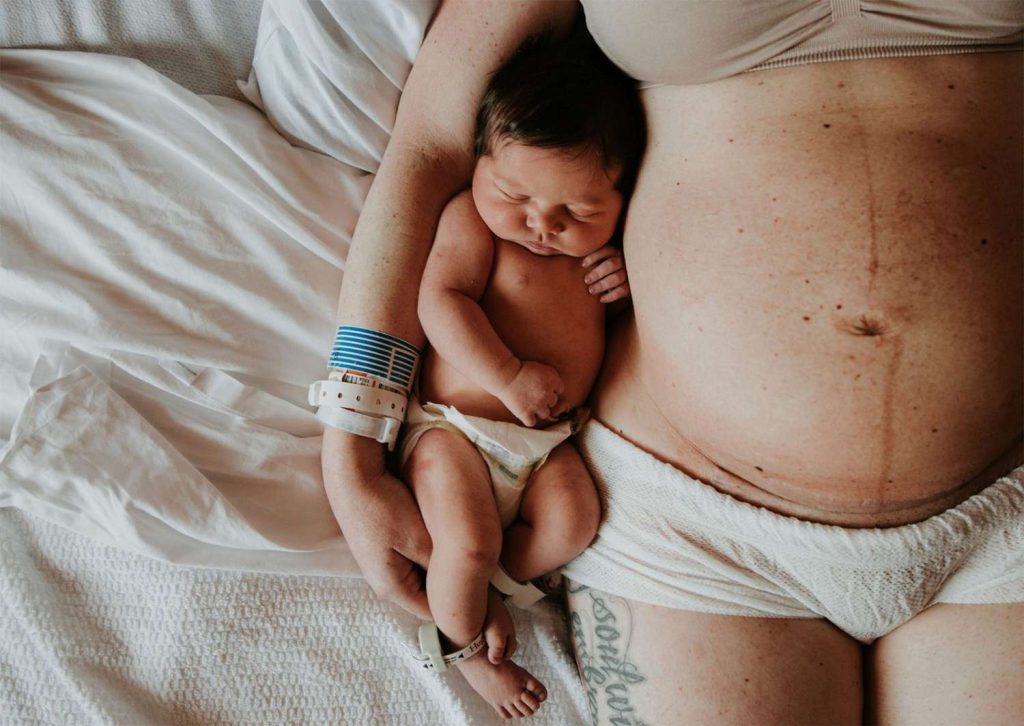
The postpartum period is an intense stage of physical, emotional and social change. However, healthcare attention often focuses primarily on immediate physical recovery after birth, while other essential aspects of maternal well-being receive less attention.
A recent study published in the scientific journal BMC Pregnancy and Childbirth explores which factors truly influence women’s quality of life during the first few months after their baby is born. The findings reinforce something many midwives see every day in their practice: postpartum well-being is multidimensional and depends on several interconnected factors.
Mental health: a cornerstone of postpartum well-being
Mental health is one of the factors with the greatest impact on mothers’ quality of life. Anxiety, accumulated fatigue, hormonal changes or feelings of uncertainty about their new role can significantly affect emotional well-being.
For example, it is common for a mother who gets very little sleep because her baby wakes frequently to begin feeling overwhelmed or to doubt her ability to care for their baby. In these situations, emotional support, appropriate information and normalising these feelings can make a significant difference.
Midwives play a key role in identifying these signs early, offering support and resources, and referring to other professionals when necessary.
Adapting to the role of motherhood
Becoming a mother involves a profound transformation. It is not only about caring for a baby, but also about rebuilding one’s own identity during this new stage of life.
Some women may feel insecure during the first few weeks:
“Am I doing this right?”
“Why does my baby cry so much?”
“Why do I feel so tired?”
This process of adaptation is completely normal, but it can be easier when mothers have professional and social support. Postpartum visits with midwives, mothers’ groups and supportive spaces can help women share their experiences and reduce feelings of isolation.
Physical challenges after birth
The body needs time to recover after pregnancy and childbirth. Some physical difficulties can directly affect mothers’ quality of life.
Some common examples include:
- Urinary incontinence after a vaginal birth.
- Perineal pain following an episiotomy or tear.
- Discomfort around the scar after a caesarean birth.
- Back or muscle pain related to new postures when caring for a baby.
- Insomnia and fatigue.
These situations can affect everyday activities as simple as walking, sitting or holding the baby. This is why it is so important to talk about them openly and to offer resources such as pelvic floor physiotherapy or recovery exercises.
Breastfeeding: a process that also needs support
Breastfeeding can be a very rewarding experience, but it can also present challenges, particularly during the first few weeks.
For example:
- Nipple pain.
- Concerns about whether the baby is feeding enough or feeding effectively.
- Very frequent feeds or insufficient weight gain.
- Accumulated fatigue.
When these difficulties are not resolved, they can lead to frustration or insecurity. Professional support can help identify potential issues with positioning or the baby’s latch and contribute to a more positive breastfeeding experience.
Lifestyle habits also matter
The study also highlights the importance of healthy lifestyle habits in mothers’ quality of life.
Factors such as a balanced diet, a gradual return to physical activity, opportunities to rest whenever possible, and support from a partner or family can all contribute to overall well-being.
A holistic approach to the postpartum period
The findings of this study reinforce what many midwives have long advocated: the postpartum period requires a holistic perspective. A mother’s well-being does not depend solely on physical recovery, but also on her mental health, social support, breastfeeding support and physical recovery.
Supporting women during this stage with information, attentive listening and professional care is essential to ensure that the postpartum period does not become an invisible stage, but rather a time of care, adaptation and growth.
After all, caring for the mother also means caring for the baby. 🤍
CRIAND TEAM
Paz-Pascual, C., Artieta-Pinedo, I., Bully, P., Espinosa, M., & Ema-Q Group. (2025). Analysis of variables affecting postpartum quality of life: Their relative influence and interrelationships. BMC Pregnancy and Childbirth, 25(1), 682. https://doi.org/10.1186/s12884-025-07803-w